


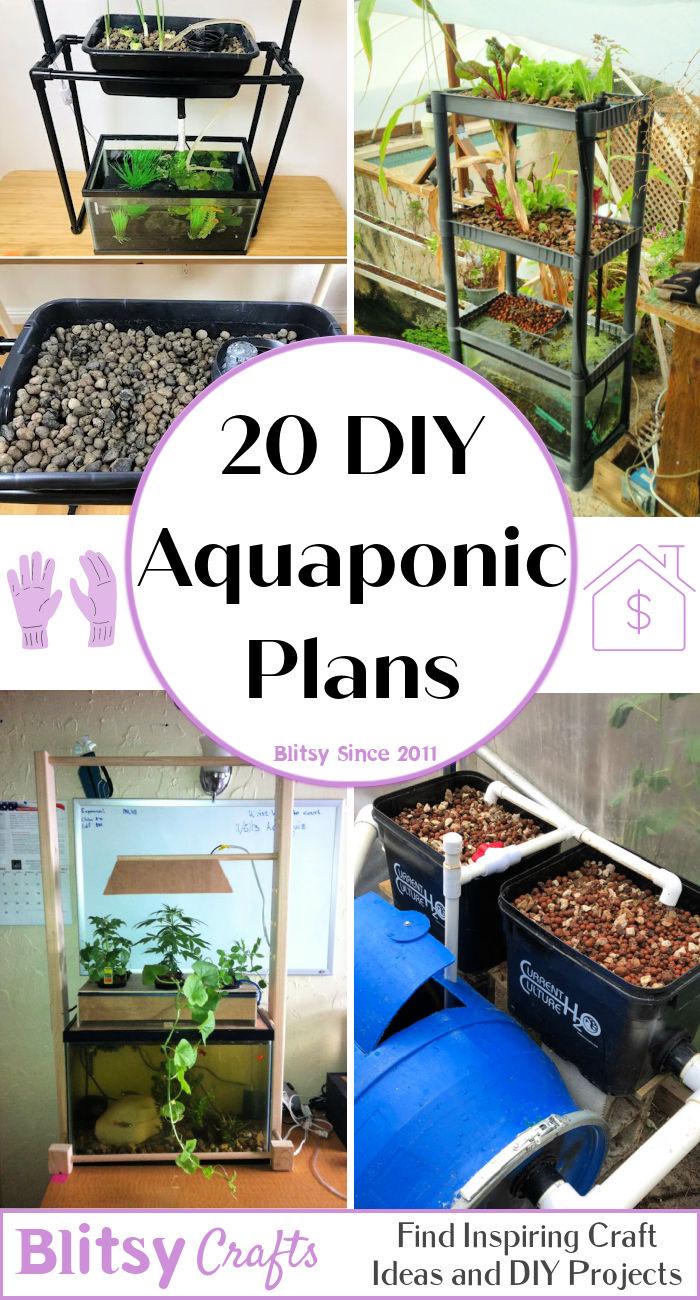
The Ultimate Guide to DIY Aquaponic Gardening on a Budget
Aquaponics, the symbiotic cultivation of fish and plants, offers a sustainable and efficient method of food production. While commercial aquaponic systems can be expensive, a resourceful approach allows for the creation of a thriving system at a fraction of the cost. This guide details the process of designing and building a DIY aquaponic garden on a budget, emphasizing resourcefulness and maximizing efficiency.
Phase 1: Planning and Design
Before initiating construction, careful planning is crucial for success. This includes determining the system's scale, selecting appropriate species, and sourcing materials cost-effectively.
System Size and Configuration
The size of your aquaponic system will depend on your space limitations and desired yield. Begin with a smaller system, particularly as a first-time endeavor. A media bed system, utilizing gravel or clay pebbles as a growing medium, is generally recommended for beginners due to its relative simplicity. Alternatively, a Deep Water Culture (DWC) system, although simpler in construction, may require more meticulous water quality management.
Choosing Fish and Plants
Fish Selection: Hardy, fast-growing fish species are ideal for beginners. Tilapia and goldfish are popular choices due to their tolerance of various water conditions and their relatively fast growth rate. However, research the specific needs of your chosen species concerning water parameters (temperature, pH, ammonia tolerance) and space requirements.
Plant Selection: Leafy greens, herbs, and some fruiting plants thrive in aquaponic systems. Select plants known for their adaptability and rapid growth. Examples include lettuce, basil, mint, and certain varieties of strawberries. Avoid plants with exceptionally high nutrient demands initially.
Material Sourcing and Budget Allocation
Repurposing and Recycling: Cost reduction hinges on resourcefulness. Explore repurposing readily available materials. Used food-grade plastic bins, IBC totes (Intermediate Bulk Containers), or even large, clean garbage cans can serve as fish tanks and grow beds. Look for inexpensive sources for gravel, clay pebbles, or other growing media. Consider using recycled plumbing pipes or fittings.
Budgeting: Create a detailed budget encompassing all materials, including fish, plants, and any necessary tools. Seek out discounts and compare prices from different suppliers. Flexibility is key, as unexpected expenses might arise.
Phase 2: System Construction
With the planning complete, construction can begin. The process involves assembling the fish tank, grow bed, and connecting components. Maintaining hygiene and water tightness is paramount.
Fish Tank Setup
Ensure your chosen container is leak-proof and appropriately sized for the number of fish. Provide adequate aeration using an air pump and air stone. This is vital for maintaining dissolved oxygen levels, crucial for fish health. Consider adding a filter (a simple sponge filter is effective and inexpensive) to remove larger debris. A submersible water pump will be needed to circulate water to the grow bed.
Grow Bed Construction
For a media bed system, a separate container is needed to hold the growing medium. This can be another repurposed container. Drill holes in the bottom for water drainage. Fill the container with your chosen growing medium (clay pebbles, gravel, or a combination) ensuring proper drainage and aeration. Ensure the grow bed is appropriately sized for your chosen plants.
Plumbing and Connections
Connect the fish tank and grow bed using appropriate tubing (PVC or silicone tubing are suitable options). The pump should draw water from the fish tank and deliver it to the grow bed. Gravity will then return the water to the fish tank, completing the cycle. Ensure all connections are secure and watertight to prevent leaks. Use readily available fittings and avoid specialized, expensive components initially.
Phase 3: System Startup and Maintenance
Once constructed, the system needs careful commissioning and ongoing maintenance to thrive.
Initial Setup and Water Parameters
Fill the system with water and allow it to cycle before introducing fish. The cycling process establishes beneficial bacteria that convert fish waste (ammonia) into less harmful nitrates, which plants utilize as nutrients. This typically takes several weeks. Regularly monitor water parameters (temperature, pH, ammonia, nitrite, and nitrate levels) using affordable testing kits. Adjustments might be required to maintain optimal conditions.
Introducing Fish and Plants
Introduce your fish gradually, starting with a small number and adding more as the system stabilizes. Avoid overstocking. Introduce plants after the nitrogen cycle is established, ensuring sufficient root space and preventing overcrowding.
Ongoing Maintenance
Troubleshooting and Potential Problems
Despite careful planning, problems may occur. Common issues include:
Addressing these challenges often involves adjusting water parameters, modifying feeding practices, or improving aeration and filtration. Consulting online resources and aquaponic communities can provide invaluable assistance.
Conclusion
Building a DIY aquaponic system on a budget is achievable with careful planning, resourcefulness, and consistent maintenance. While initial setup demands effort, the rewardsâ€"fresh, homegrown produce and sustainably raised fishâ€"are substantial. Remember to prioritize research, monitor your system diligently, and embrace the learning process. A successful aquaponic garden is not only a source of food but also a rewarding and sustainable endeavor.


No comments:
Post a Comment
Note: Only a member of this blog may post a comment.