


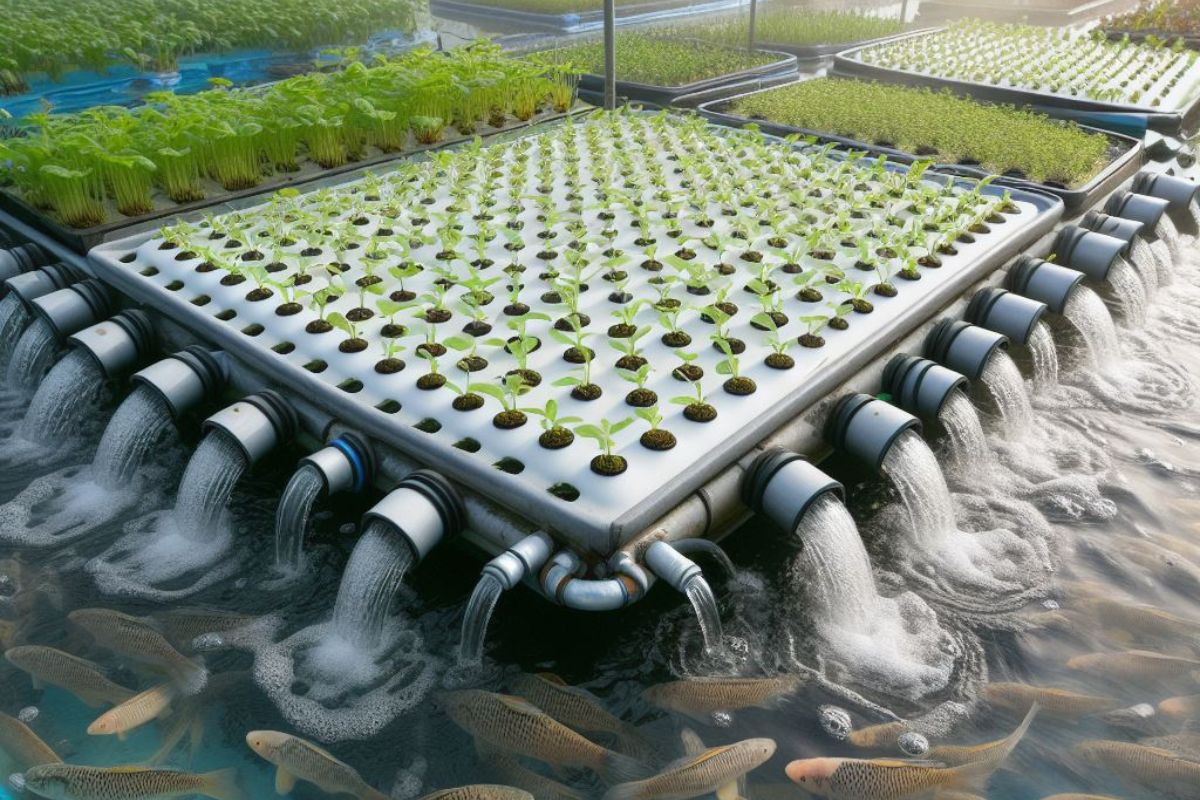
Building an Aquaponic System for a Greener, More Sustainable Future
In a world grappling with resource depletion and environmental degradation, the search for sustainable solutions is paramount. Aquaponics, a symbiotic integration of aquaculture (raising fish) and hydroponics (growing plants without soil), offers a compelling pathway towards a greener future. This innovative system not only produces food efficiently but also minimizes waste and reduces our ecological footprint. Imagine a self-sustaining ecosystem thriving in your backyard, providing fresh fish and vibrant vegetablesâ€"that's the promise of aquaponics.
Understanding the Symbiotic Relationship
The magic of aquaponics lies in the synergistic relationship between fish and plants. Fish waste, rich in ammonia, serves as fertilizer for the plants. Beneficial bacteria, housed within a biofilter, convert this toxic ammonia into nitrite, then into nitrateâ€"a readily usable form of nitrogen for plant growth. The plants, in turn, filter the water, removing excess nutrients and providing a clean environment for the fish. This closed-loop system drastically reduces water consumption compared to traditional agriculture, making it an exceptionally water-wise approach to food production.
Building Your Own Aquaponic System
Building an aquaponic system can be a rewarding DIY project, adaptable to various scales and settings. From small-scale tabletop systems perfect for apartment balconies to large-scale installations for commercial production, the possibilities are vast. Careful planning and attention to detail are crucial for success.
Choosing Your Components
Selecting the right components is paramount. This includes choosing the appropriate fish species (tilapia and catfish are popular choices), selecting the right plants (lettuce, basil, and strawberries thrive in aquaponic systems), and determining the size and type of your grow bed and fish tank. Consider your available space, budget, and the level of technical expertise you possess when making these decisions. A well-researched plan will lay the groundwork for a successful system.
Setting Up Your System
Once you've gathered your materials, the setup process involves connecting the fish tank to the grow bed via a system of pipes and pumps. The grow bed can be constructed from various materials, including plastic containers, repurposed tubs, or even custom-built structures. The biofilter, a critical component responsible for nitrification, needs careful placement and sizing. This is where the beneficial bacteria colonies reside and perform the crucial task of converting harmful ammonia into usable nitrates.
Monitoring and Maintenance
Regular monitoring is crucial for maintaining a healthy aquaponic system. This includes monitoring water parameters such as pH, temperature, and dissolved oxygen levels. Regular water changes, cleaning of the biofilter, and harvesting of plants and fish are also essential for optimal performance. Careful observation and timely intervention can prevent problems and ensure the long-term health and productivity of your system.
The Benefits of Aquaponics: A Greener Future
Aquaponics offers a multitude of benefits, contributing significantly to a more sustainable future. These include:
- Reduced water usage: Aquaponic systems recycle water, drastically reducing water consumption compared to traditional agriculture.
- Minimized waste: Fish waste is used as fertilizer, minimizing waste and reducing the need for synthetic fertilizers.
- Increased food security: Aquaponics offers a reliable way to produce food locally, increasing food security, especially in areas with limited resources.
- Reduced environmental impact: By reducing water usage, minimizing fertilizer use, and avoiding pesticides, aquaponics significantly reduces the environmental impact of food production.
By embracing aquaponics, we can cultivate a more sustainable and resilient food system, one that nurtures both our communities and the environment. Building your own aquaponic system is a tangible step towards a greener, more sustainable futureâ€"a future where innovation and sustainability go hand in hand.


No comments:
Post a Comment
Note: Only a member of this blog may post a comment.