


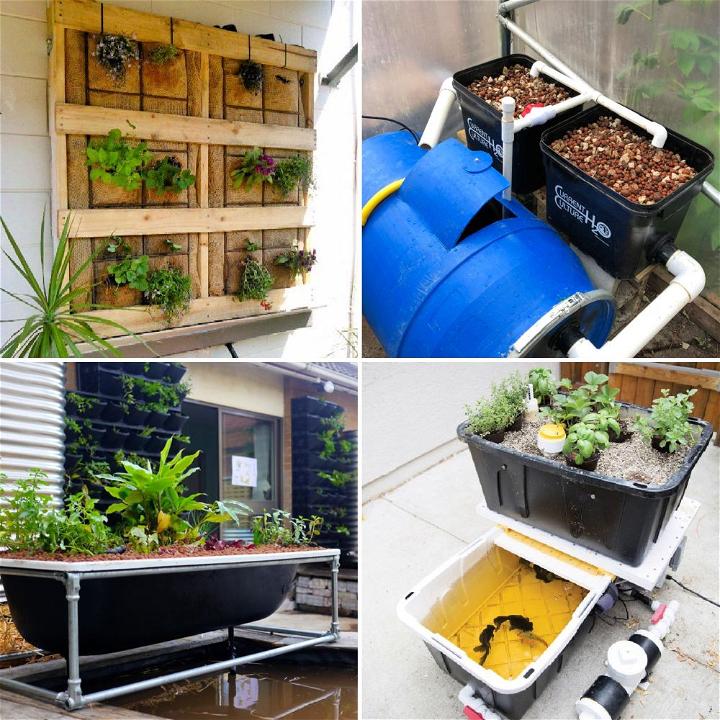
A Comprehensive Guide to Establishing a Low-Cost Aquaponic System
Aquaponics, the symbiotic cultivation of fish and plants, offers a sustainable and efficient method for food production. While commercial systems can be expensive, a resourceful approach allows for the construction of a productive aquaponic garden at a significantly reduced cost. This guide details the process, emphasizing cost-effectiveness at each stage.
I. Planning and Design Considerations
Before embarking on construction, meticulous planning is crucial for optimizing resource utilization and minimizing expenses. This phase involves defining the system's scale, selecting appropriate components, and considering environmental factors.
A. System Size and Scale
Begin by determining the desired size of your aquaponic system. A smaller system, ideal for beginners, requires less initial investment but yields a smaller harvest. Larger systems offer increased production but demand greater upfront costs and more maintenance. Consider your available space, both indoors and outdoors, and the amount of produce you wish to cultivate. A small system, suitable for a balcony or small patio, can be a great starting point, allowing for gradual expansion as you gain experience.
B. Choosing the Right Location
The location profoundly influences the system's success. Sunlight is paramount for plant growth; therefore, a site receiving at least six hours of direct sunlight daily is preferable. However, excessive heat can be detrimental to fish health. Consider providing shade during the hottest parts of the day. Accessibility for maintenance and harvesting is crucial. The system should be easily accessible for regular cleaning and monitoring.
C. Selecting the Components
Cost-effectiveness relies heavily on resourceful component selection. Avoid purchasing specialized aquaponic equipment initially. Repurposing readily available materials significantly reduces expenses. Examples include:
- Fish Tank: A used plastic storage container, a repurposed bathtub (after thorough cleaning and sealing), or even a large, food-grade plastic bin can serve as a fish tank.
- Grow Bed: A simple raised bed constructed from readily available materials such as wood pallets (ensure proper treatment to prevent rotting and leaching of harmful chemicals), recycled plastic containers, or even large, sturdy cardboard boxes (lined with a waterproof membrane).
- Pump: A submersible pump designed for aquariums can be purchased second-hand or from budget-friendly retailers. Ensure it's adequately sized for the system's volume.
- Filter Media: Instead of purchasing expensive filter media, utilize readily available materials such as gravel, lava rocks, and bio balls (these can often be found at discounted prices from aquarium hobbyists).
- Plumbing: Use readily available PVC pipes for plumbing. These are relatively inexpensive and easy to work with.
II. System Construction
This phase involves assembling the chosen components to create a functional aquaponic system. Careful attention to detail ensures the system’s efficiency and longevity.
A. Constructing the Fish Tank
Clean and sanitize the chosen container thoroughly before use. If using a repurposed container, ensure all cracks and leaks are sealed appropriately using aquarium-safe sealant. Position the tank strategically within the chosen location, considering accessibility and sun exposure.
B. Building the Grow Bed
Construct the grow bed according to the chosen design. Ensure it is adequately sized to accommodate the chosen plants. The bed must have a sufficient depth to hold the chosen growing medium and allow for adequate root development. Line the bed with a waterproof membrane, such as heavy-duty plastic sheeting, to prevent water leakage and soil contamination.
C. Installing the Plumbing and Pump
Connect the fish tank to the grow bed using PVC pipes. Install the submersible pump in the fish tank to circulate water from the tank to the grow bed and back again. Ensure all connections are watertight to avoid leaks and ensure proper water flow. A properly sized pump is crucial for adequate oxygenation of the water and efficient nutrient circulation.
D. Adding the Grow Media
Fill the grow bed with the chosen growing medium. This could include clay pebbles, gravel, or even coconut coir. These materials provide a substrate for plant roots while allowing for efficient water drainage and oxygenation. Avoid using soil directly in an aquaponic system; it can clog the system and introduce unwanted pathogens.
III. System Commissioning and Stocking
Before introducing fish and plants, the system requires thorough testing and conditioning. This ensures the system's functionality and prevents any early setbacks.
A. Cycling the System
Before introducing fish, the system must undergo a “cycling†process. This establishes a beneficial bacterial colony necessary for converting fish waste into plant-usable nutrients. Add a source of ammonia (fish food or pure ammonia solution â€" use with caution and follow instructions carefully) to stimulate bacterial growth. Monitor ammonia, nitrite, and nitrate levels regularly using a test kit until they reach stable levels, indicating a healthy nitrogen cycle. This process may take several weeks.
B. Selecting Appropriate Fish
Choose fish species that are hardy, compatible with the system's size, and produce a suitable amount of waste for plant growth. Tilapia and goldfish are popular choices for beginners due to their relative hardiness and tolerance to fluctuating water parameters. Avoid overstocking the fish tank; overcrowding can lead to poor water quality and fish mortality.
C. Planting
Select plants known for their tolerance to fluctuating water levels and nutrient conditions. Leafy greens such as lettuce, basil, and other fast-growing herbs are excellent choices for beginners. Plant seedlings or cuttings directly into the grow bed, ensuring the roots are in contact with the growing media but not submerged in water.
IV. Ongoing Maintenance and Monitoring
Regular monitoring and maintenance are vital for the long-term success of the aquaponic system. This involves regular water testing, cleaning, and adjustments as needed.
A. Water Quality Monitoring
Regularly test water parameters such as pH, ammonia, nitrite, and nitrate levels. Maintain optimal water quality to ensure fish health and plant growth. Adjust pH and nutrient levels as needed, consulting aquaponics resources for guidance.
B. System Cleaning
Regularly clean the system to remove debris and prevent the build-up of harmful substances. Remove any dead plants or leaves promptly. Regularly clean the filter media to maintain efficient water filtration. Partial water changes may be necessary periodically to maintain optimal water quality.
C. Harvesting
Harvest plants as they mature, ensuring a continuous supply of fresh produce. Harvest fish according to their growth rate and desired size, maintaining a sustainable population within the system.
By following these steps and prioritizing resourcefulness, you can create a productive and cost-effective aquaponic system, providing a sustainable and rewarding experience of home food production.


No comments:
Post a Comment
Note: Only a member of this blog may post a comment.