


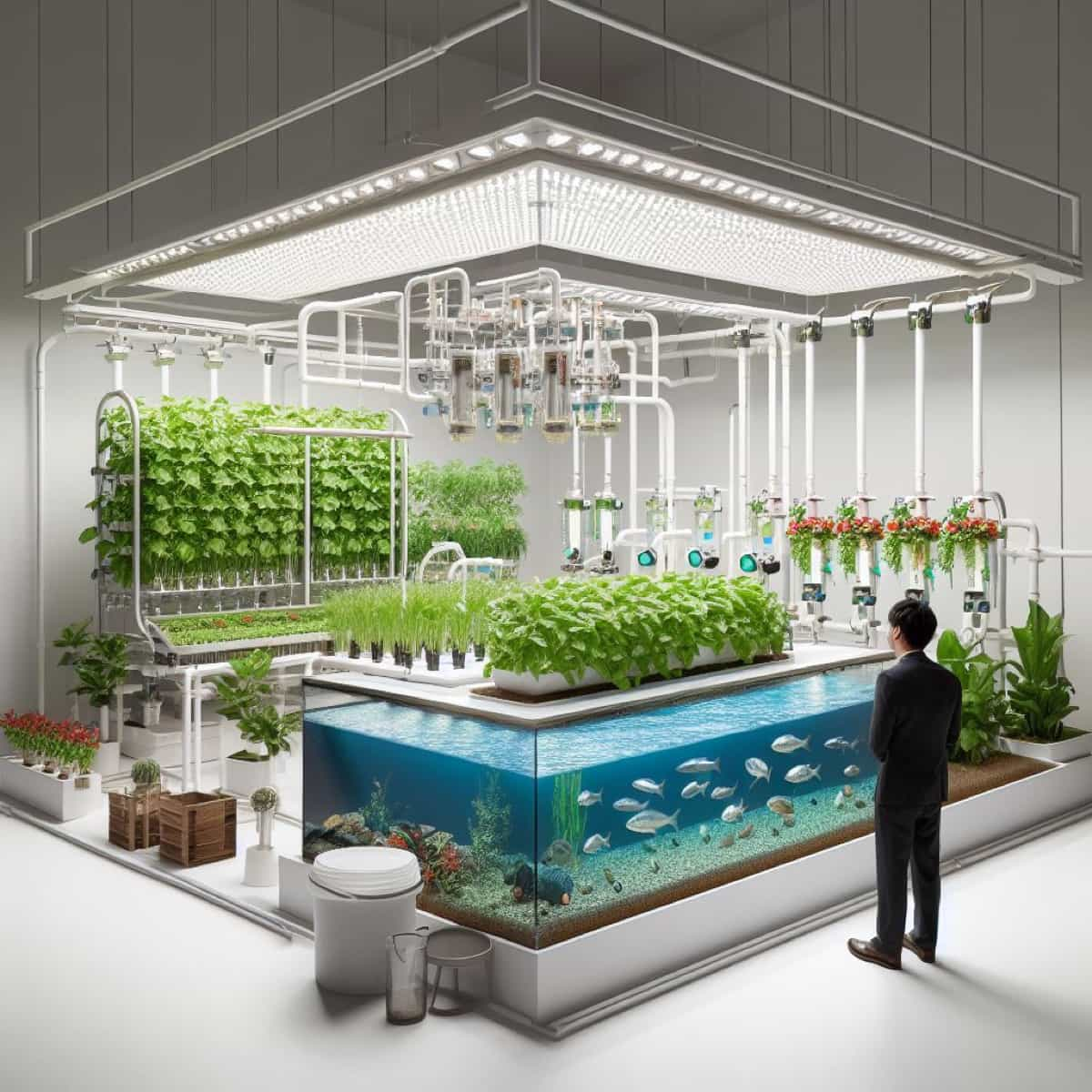
Dive into Aquaponics: Building Your Backyard Oasis on a Budget
Hey there, fellow gardening enthusiasts! Ever dreamed of having fresh, homegrown veggies and the soothing sounds of a little water feature all in one? Well, get ready to ditch the expensive, complicated setups because I'm going to show you how to build a simple, affordable aquaponic garden right in your own backyard! Aquaponics, for those unfamiliar, is the magical combination of aquaculture (raising fish) and hydroponics (growing plants without soil). It's a sustainable, efficient system that’s surprisingly easy to set up, even on a budget. Let's get started!Choosing Your System: Keeping it Simple and Cheap
The key to an affordable aquaponic garden is simplicity. Forget those fancy, multi-tiered systems. We're going for a beginner-friendly setup that won't break the bank. Two popular options for beginners are the media bed system and the deep water culture (DWC) system. Let's break them down:
The Media Bed System: The Workhorse of Aquaponics
This is a classic, robust system. Think of it like this: you have a fish tank (your aquaculture part) and a separate growing bed filled with gravel or other inert media (your hydroponics part). The fish waste gets broken down by beneficial bacteria in the media bed, providing nutrients for your plants. The water then cycles back to the fish tank. It's pretty straightforward!
What you'll need (mostly repurposed items!):
- A large plastic storage bin or repurposed container (for the fish tank)
- A second, slightly larger container (for the grow bed)
- Gravel, lava rocks, or clay pebbles (for the grow bed media)
- An air pump and air stone (to oxygenate the water)
- A submersible pump (to circulate water)
- PVC pipes or tubing (to connect the fish tank and grow bed)
- Plants (choose fast-growing, hardy varieties like lettuce, basil, or spinach)
- Fish (tilapia, goldfish, or koi are good beginner choices â€" but research your local regulations first!)
Bonus tip: Check out your local thrift stores or recycling centers for those containers! You can often find large plastic bins for incredibly cheap.
The Deep Water Culture (DWC) System: A Simpler Setup
DWC is even simpler than the media bed system. Your plants sit in net pots directly over the water in the fish tank. The roots hang down into the nutrient-rich water. This system requires less space and setup time but needs more diligent water monitoring.
What you'll need (again, look for secondhand items!):
- A large plastic storage bin or repurposed container (for the fish tank)
- Net pots (to hold your plants)
- A submersible pump and air stone (for water circulation and oxygenation)
- Plants (choose fast-growing varieties, similar to the media bed system)
- Fish (same fish recommendations as above)
Setting Up Your System: A Step-by-Step Guide (Media Bed)
Let's focus on building the media bed system, as it’s a bit more involved. The DWC setup is much simpler and largely follows the same principles.
Step 1: Preparing the Containers
Clean your chosen containers thoroughly. Drill holes in the bottom of the grow bed container for drainage and in the side of the fish tank to connect it to the grow bed.
Step 2: Adding the Media
Fill your grow bed with your chosen media (gravel, lava rock, etc.). Make sure it's about 6-8 inches deep. Rinse it well before use.
Step 3: Connecting the System
Use your PVC pipes or tubing to connect the fish tank and the grow bed. You'll want a siphon effect to allow water to flow from the fish tank to the grow bed and back. The submersible pump will help this process. Make sure all connections are watertight!
Step 4: Adding Water and Fish
Fill your fish tank about ¾ full with water. Let the water sit for a few days to allow the chlorine to dissipate. Add your fish and ensure the water is adequately oxygenated using your air pump and air stone.
Step 5: Planting
Once your system is running smoothly, carefully plant your seedlings in the grow bed. Ensure that the roots are in contact with the media.
Step 6: Monitoring and Maintenance
Regularly monitor your water quality (pH levels, ammonia, nitrite, nitrate) and adjust accordingly. You'll need a simple water testing kit. This is crucial for the health of your fish and plants!
Choosing Your Plants and Fish: A Perfect Partnership
This is where the fun begins! Choose plants known for their adaptability and fast growth. Some excellent choices include lettuce, spinach, basil, kale, strawberries, and various herbs.
For fish, consider hardy varieties like tilapia (if legal in your area), goldfish, or koi. Remember to research the specific needs of your chosen fish to ensure they thrive in your system. Start with a smaller number of fish and gradually increase as your system matures.
Troubleshooting and Maintenance
Aquaponics is a relatively self-sustaining system, but it does require some maintenance. Regularly check your water levels, clean the system as needed (remove any decaying plant matter), and monitor the health of your fish and plants. If you notice any issues, don't panic! Research is your friend. Plenty of online resources and communities are dedicated to aquaponics.
Commonly Asked Questions
Q: How much does this cost?
A: The beauty of this is you can keep costs incredibly low by repurposing containers and using readily available materials. You could get away with spending under $100, depending on the size of your system and what you already have on hand. A few second-hand containers and some inexpensive equipment are all that's needed!
Q: How much time does it take?
A: The initial setup takes a few hours. After that, daily maintenance involves checking water levels, cleaning debris, and monitoring your fish and plants. This usually only takes a few minutes each day.
Q: What if my fish get sick?
A: Quick action is essential. Observe your fish closely for any signs of illness. Isolate any sick fish to prevent the spread of disease. Consult a local fish expert or veterinarian for advice.
Q: What if my plants aren't growing well?
A: This could be due to various factors, such as inadequate nutrients, poor water quality, or insufficient light. Check your water parameters (pH, ammonia, nitrite, nitrate) and make sure your plants are getting enough sunlight.
Q: Can I use tap water?
A: It’s generally best to let tap water sit for 24-48 hours to allow chlorine and chloramine to evaporate. You may also need to consider using a water conditioner to neutralize these chemicals depending on your tap water composition.
There you have it! Building your own affordable aquaponic garden is entirely achievable. It's a rewarding experience that connects you to nature, provides delicious, healthy food, and introduces a fascinating ecosystem to your backyard. Get creative, have fun, and happy gardening!


No comments:
Post a Comment
Note: Only a member of this blog may post a comment.